
Kitchen Islands – Do or Don’t
Kitchen Islands – Do or Don’t
In this blog we’re going to look at the pros and cons of a kitchen island. Of course, you’ll need both the space and the budget to make this a reality so assuming you have both then read on.
There’s no denying that kitchen islands have some real benefits, so here are some that we feel are the strongest:
Extra work surface
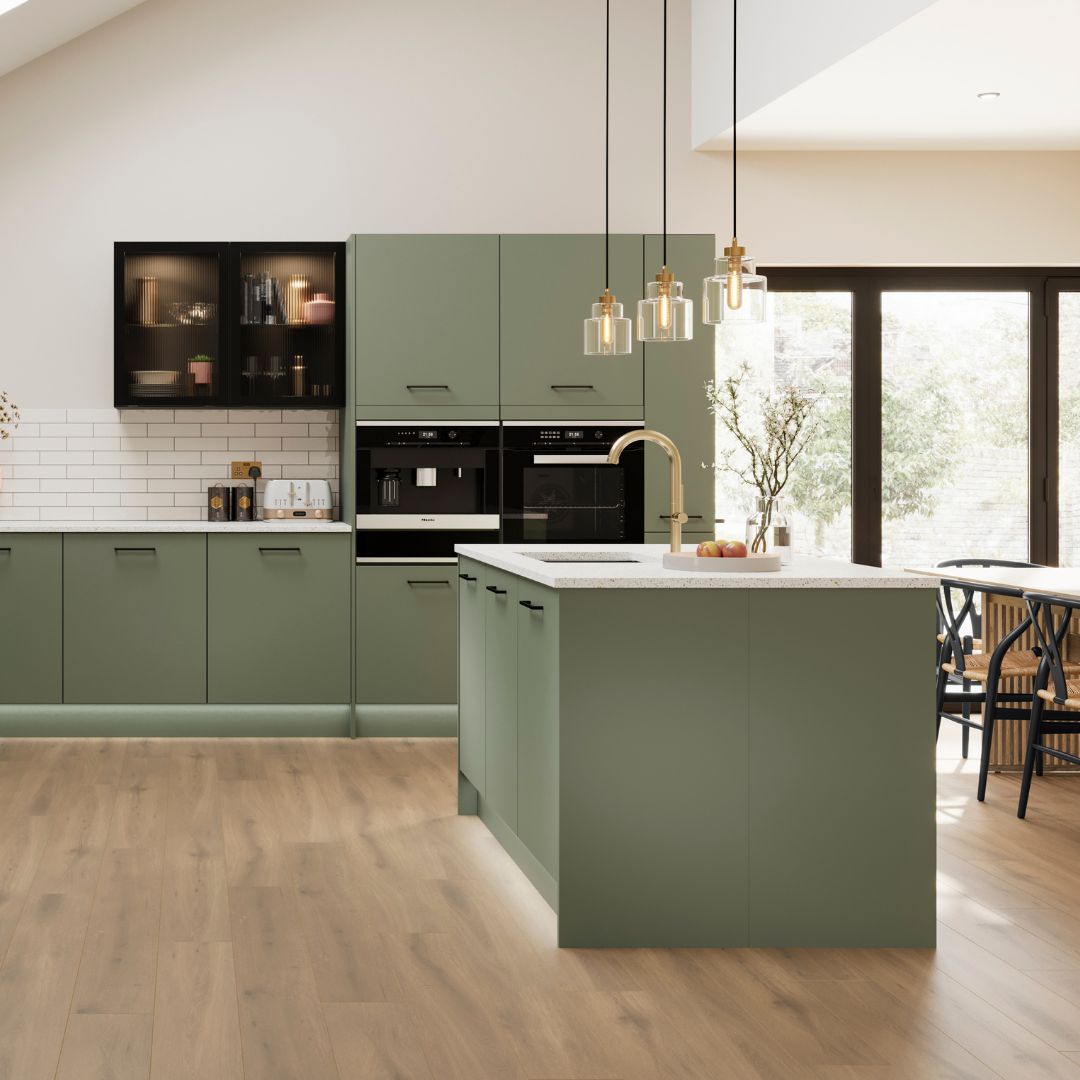
One of the primary benefits of a kitchen island is the extra working space it provides. If you love to cook, you’ll find this particularly useful plus you’ll have more space to spread out your ingredients and cook books! It’s also more sociable working on an island facing people as opposed to facing a wall on a perimeter countertop.
Increased storage
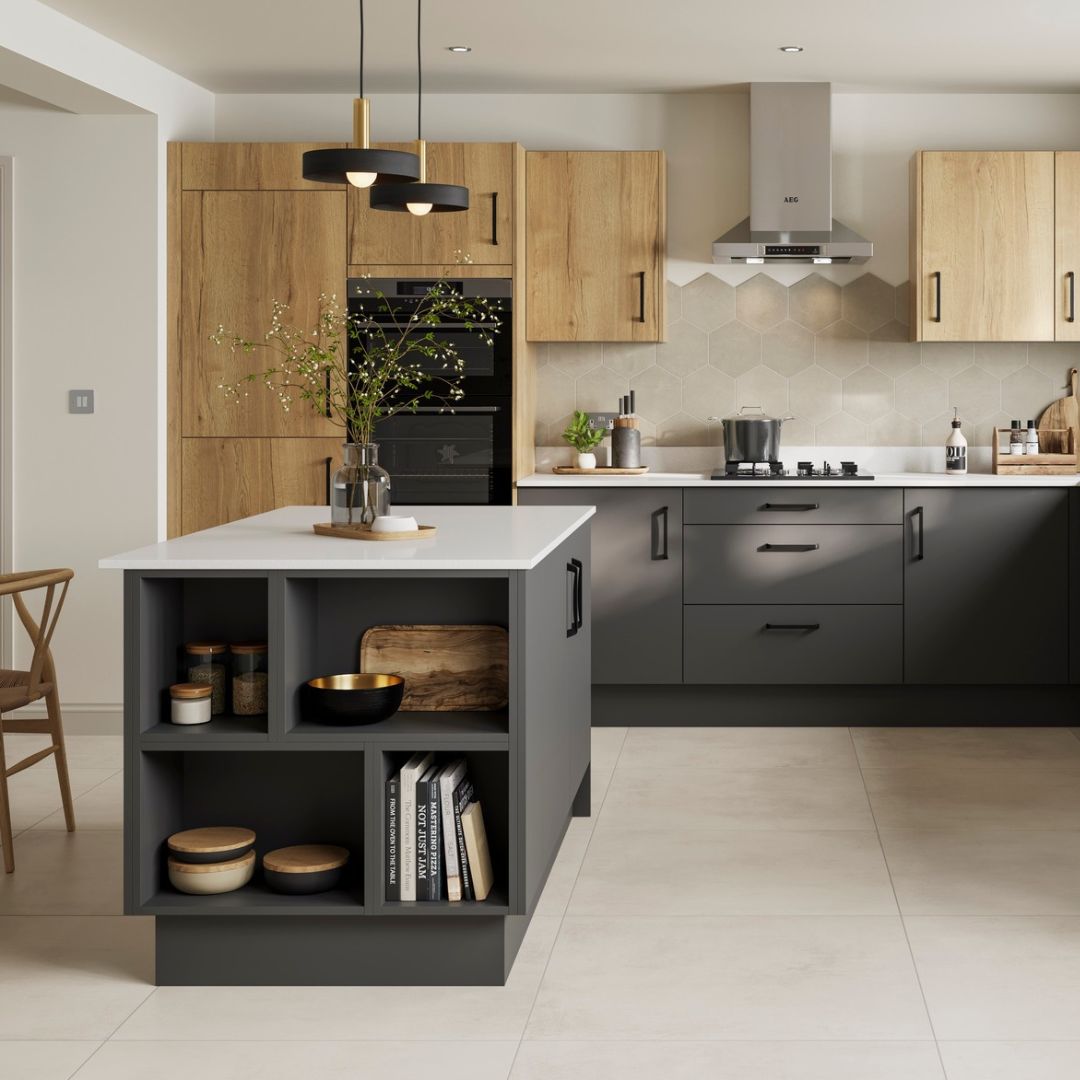
A kitchen island can also provide additional storage space. A lot of islands come with built-in cabinets and drawers which is a great solution for those struggling to find space for all their kitchen gadgets and cookware.
Extra Seating
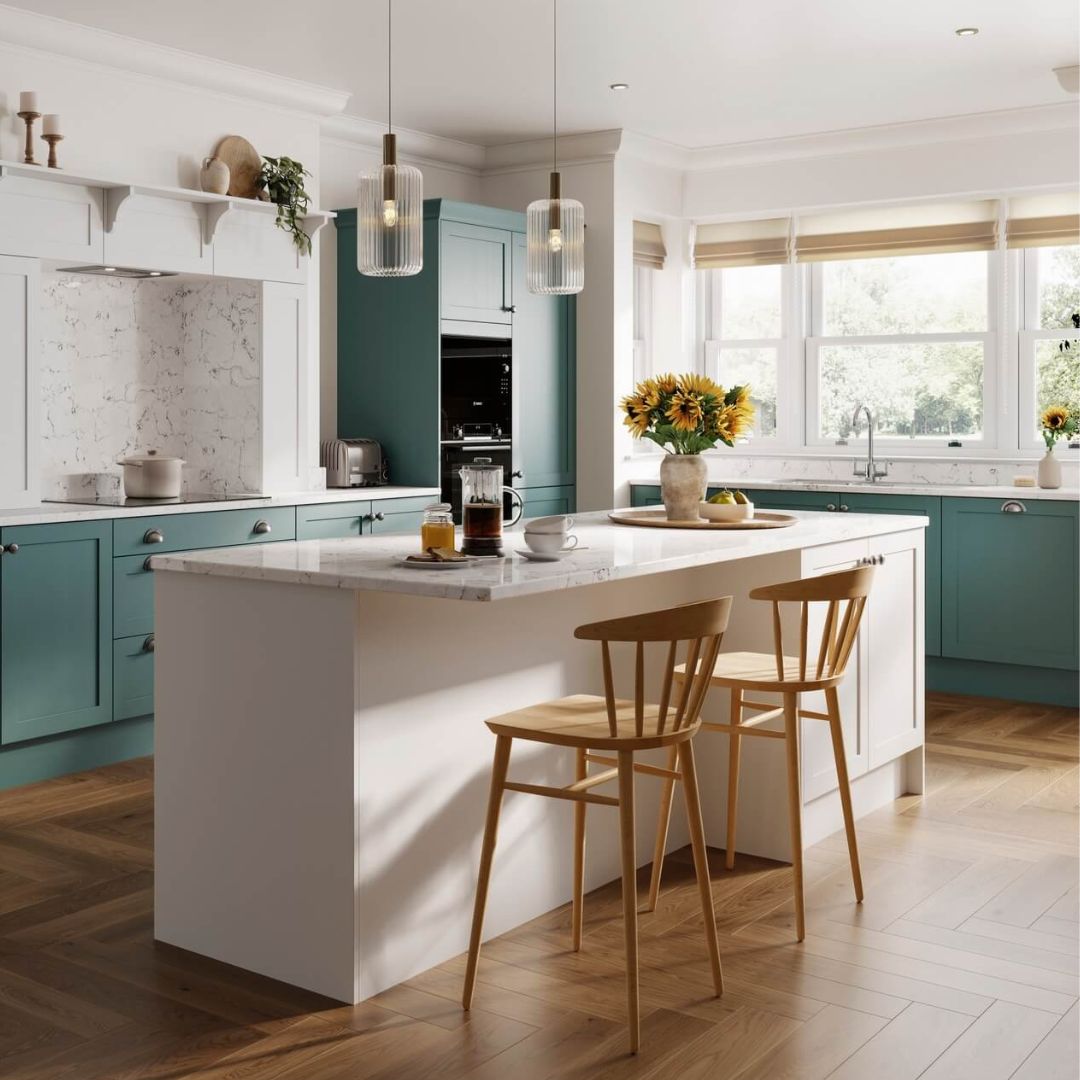
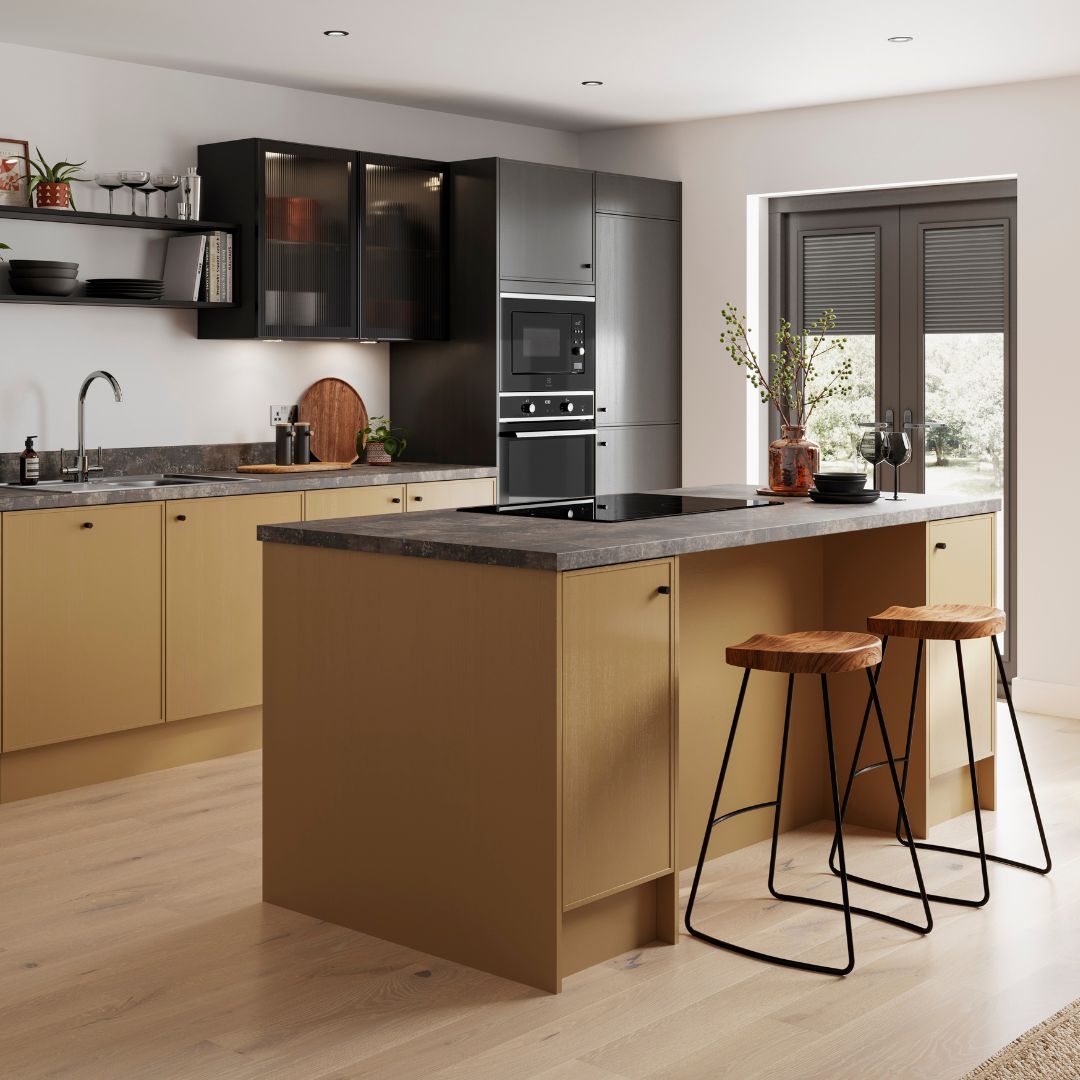
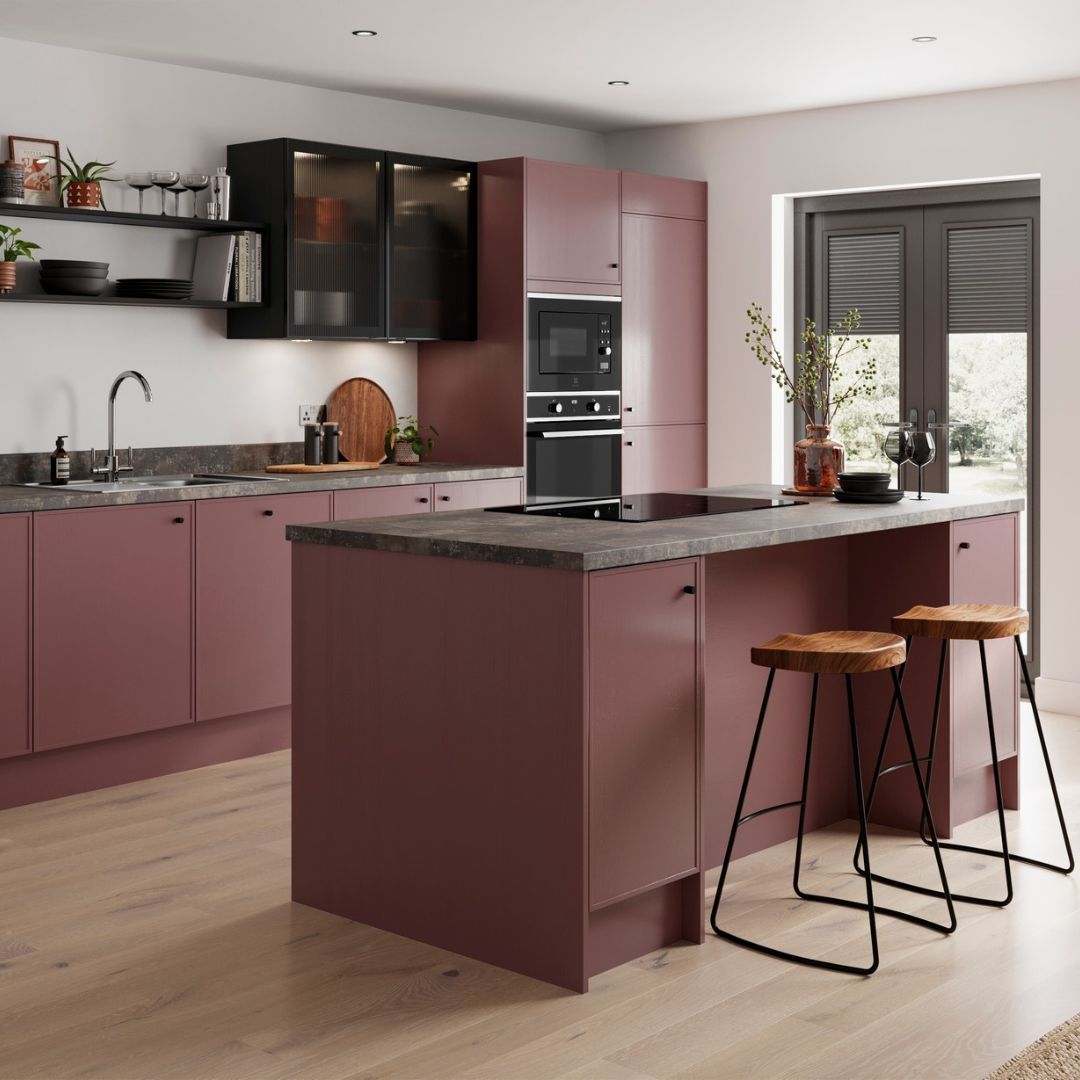
Additional seating is a huge plus and a kitchen island with seats can double as a casual dining area, offering seating for quick meals or a place for guests to relax while you cook. With the addition of some stylish barstools, you can create some extra seats for a comfortable and inviting space.
Versatility
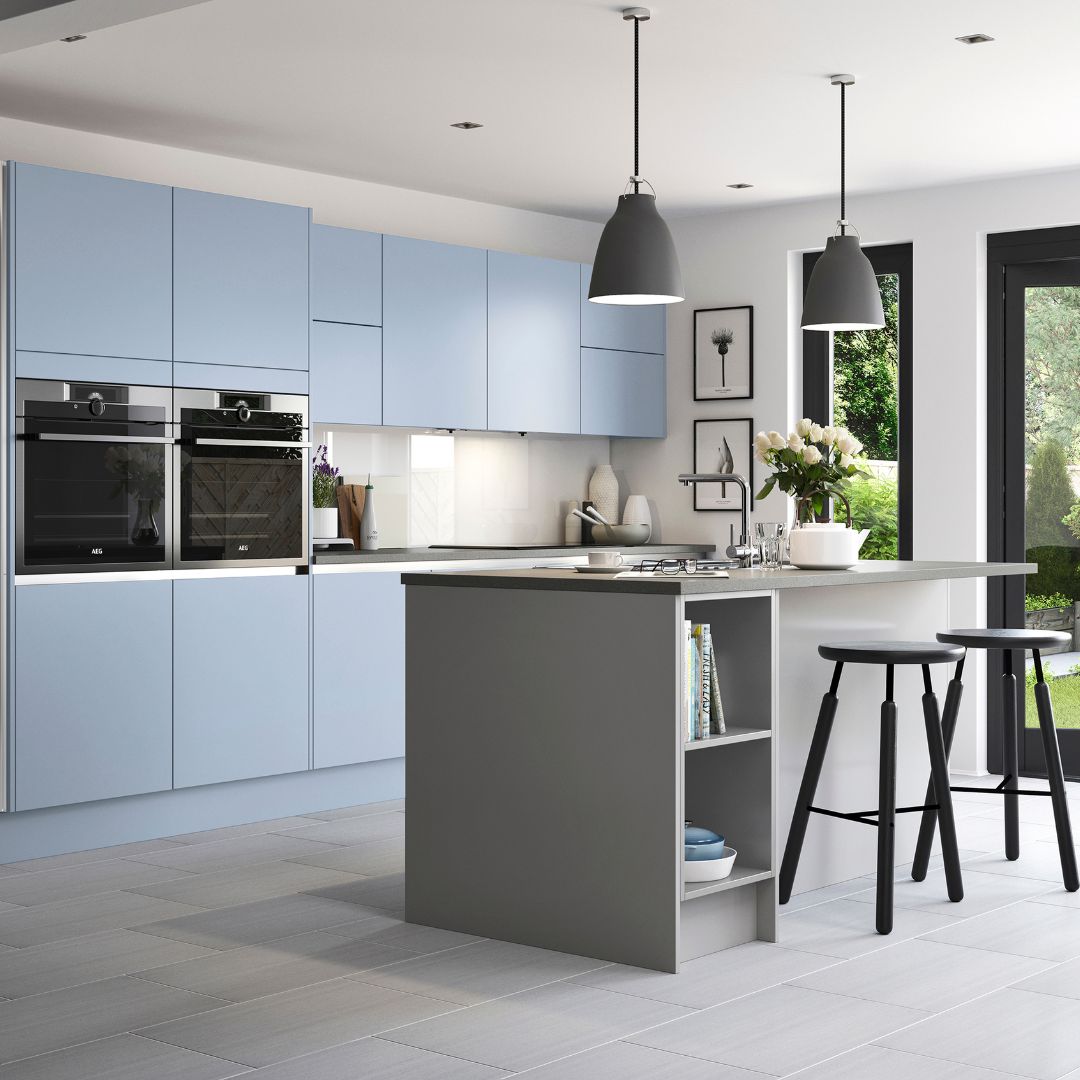
A kitchen island offers incredible versatility. You can use it for meal prep, as a serving station for family gatherings and parties or as a homework spot for the kids. With so many potential uses a well designed kitchen island makes a valuable addition to any kitchen.
Increased lighting options
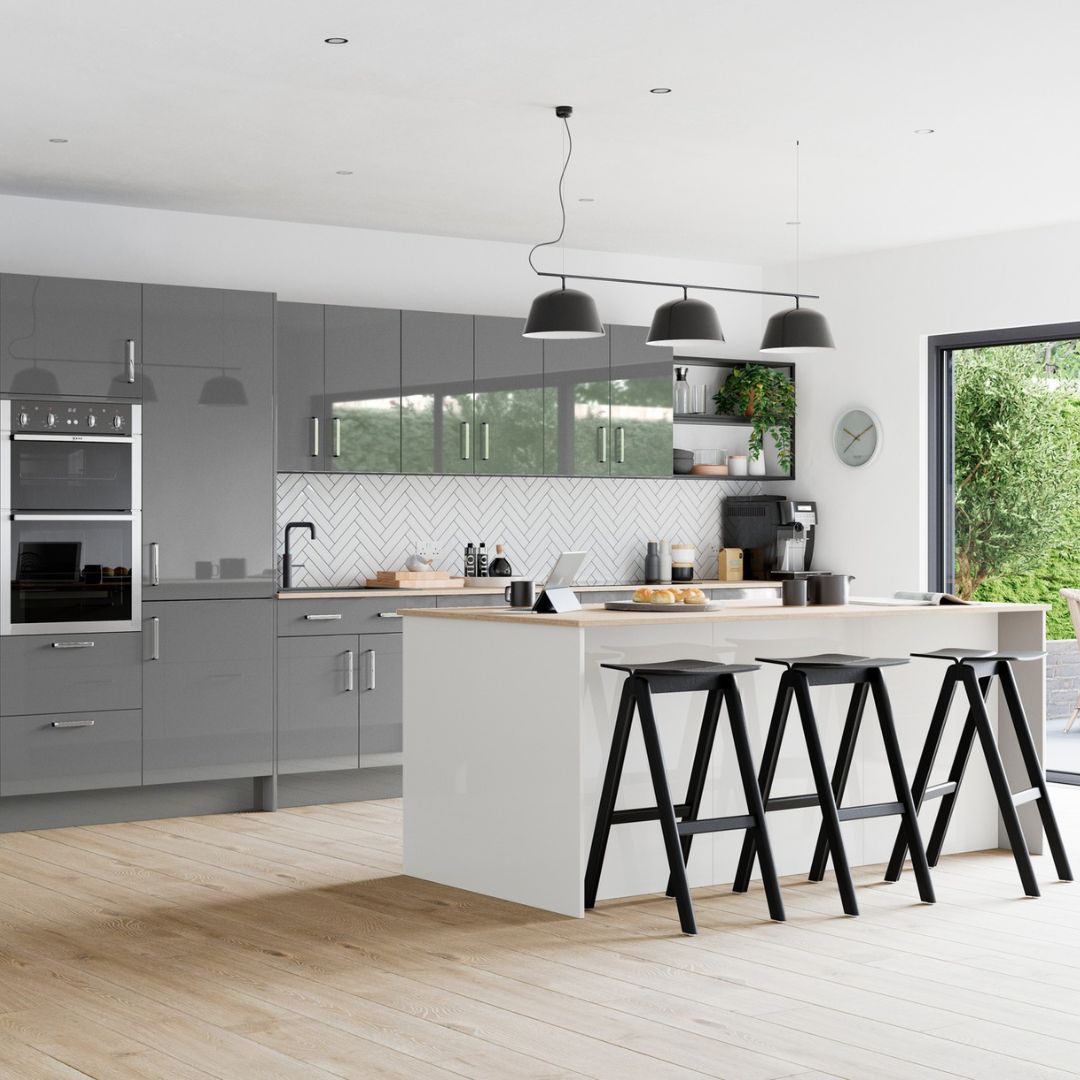
Adding a kitchen island provides an opportunity to enhance your kitchen’s lighting. You can install pendant lights to illuminate your island’s workspace which will serve as not only helpful task lighting but it’s another way to add some style and individuality into your design.
A natural divide
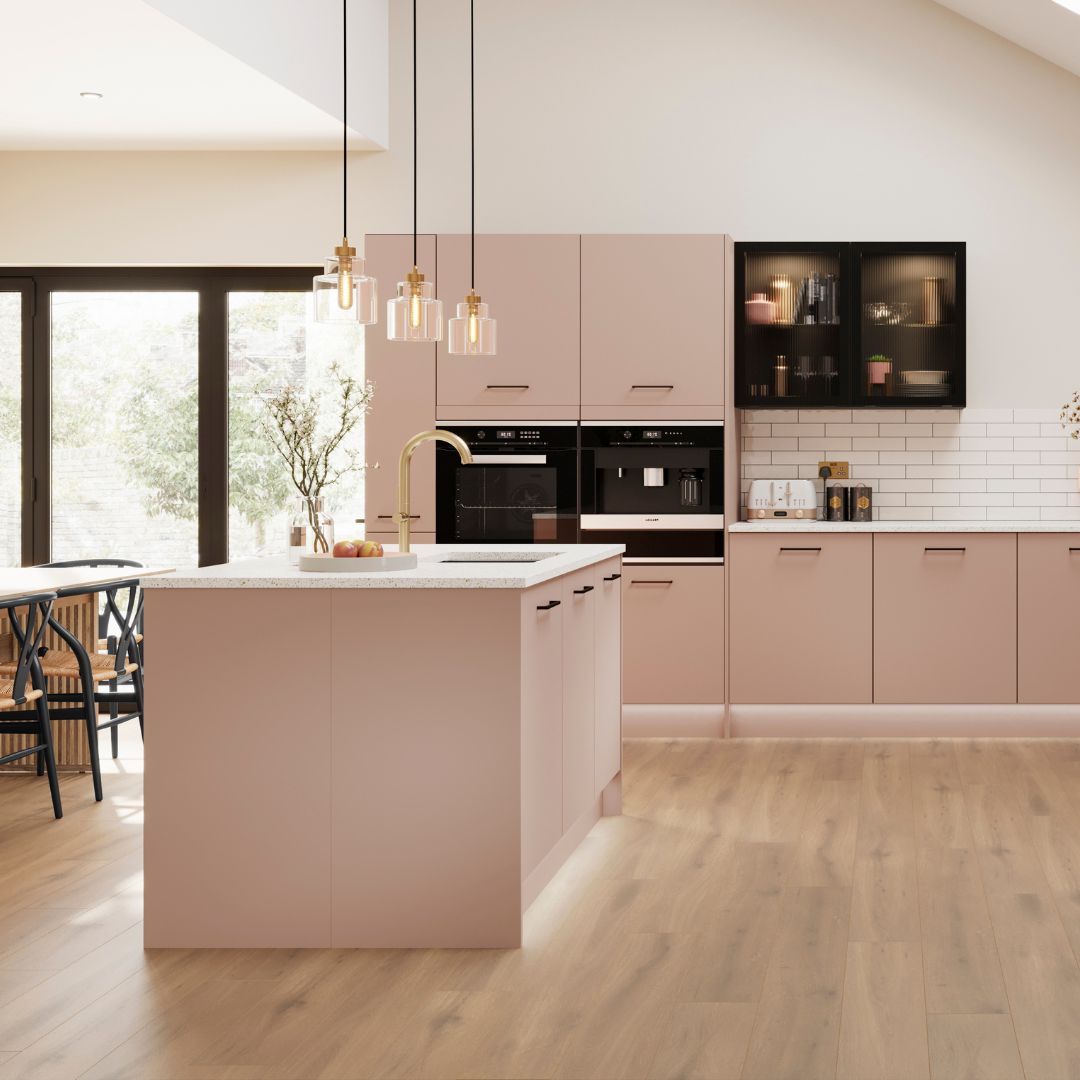
In an open plan kitchen/diner, a kitchen island can help create a visual and functional separation between the kitchen and other living areas. This zoning effect can make your space feel more organized and purposeful, without the need for walls or partitions.
Disadvantages
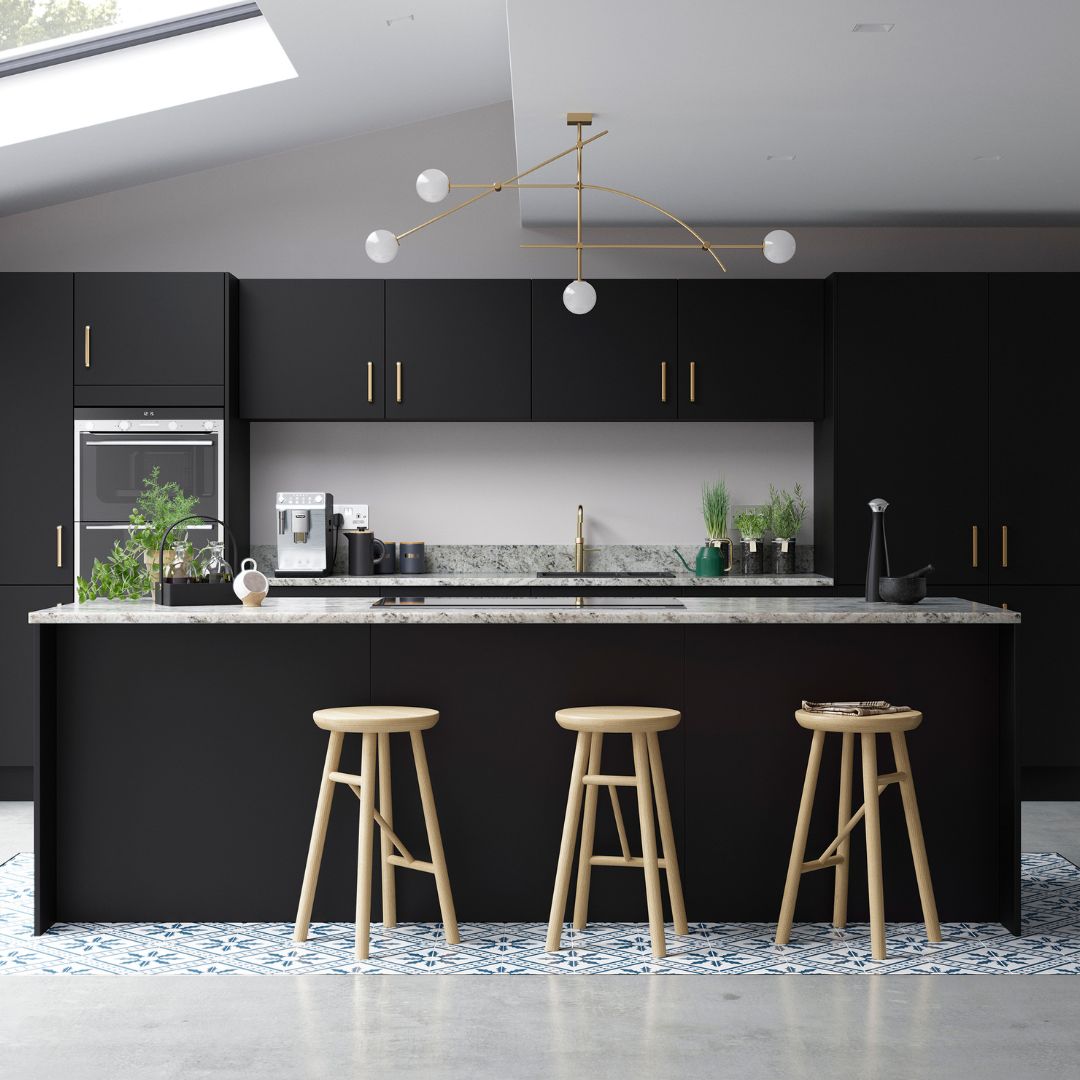
Despite there being many advantages to choosing a kitchen island there are some disadvantages too and below are some of the more significant ones.
Lack of space
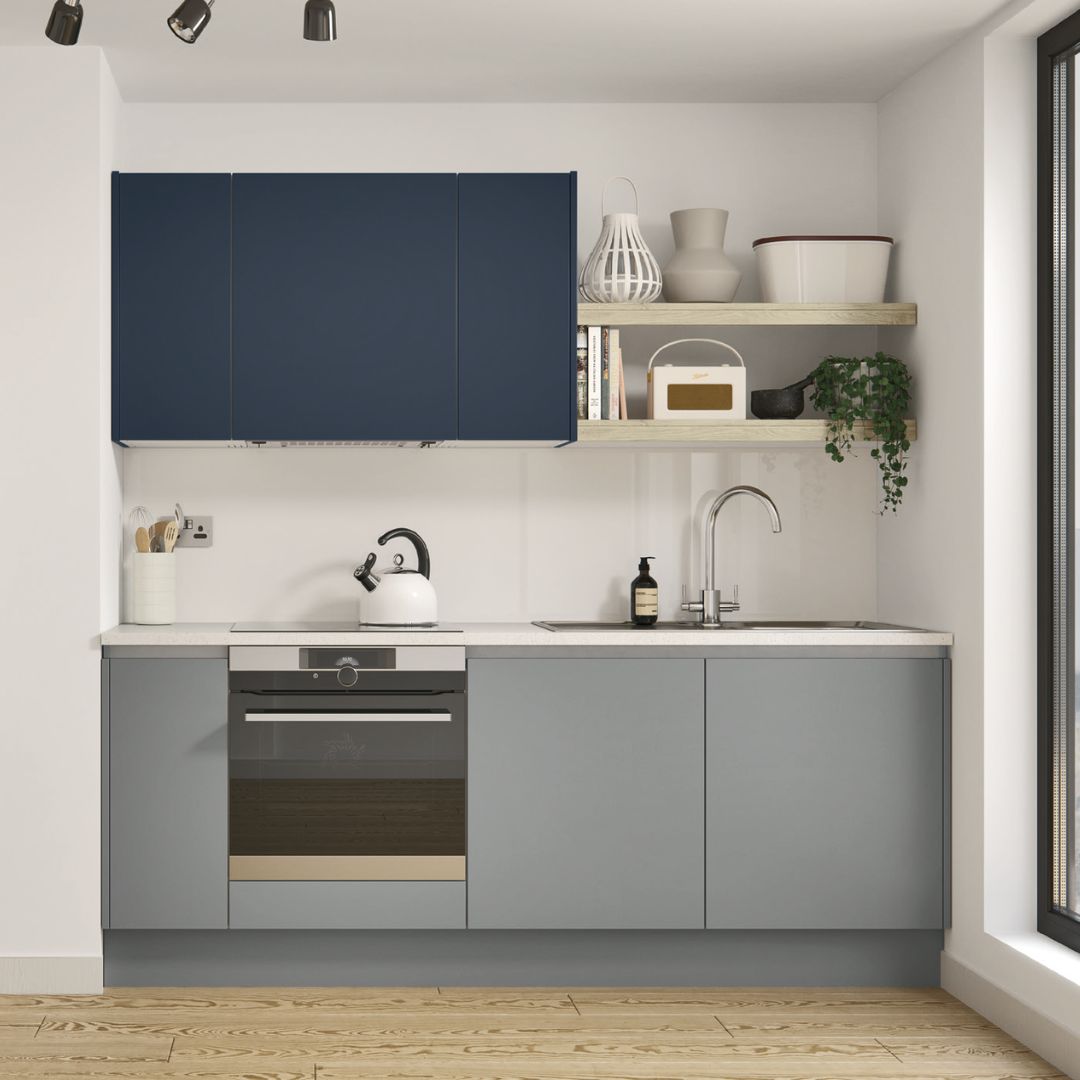
If you have a small kitchen, adding an island might not be the best idea. A kitchen island requires at least a metre of clearance from any other surface or wall so squeezing an island into a smaller kitchen could make your kitchen feel cluttered and interrupt the flow.
Cost
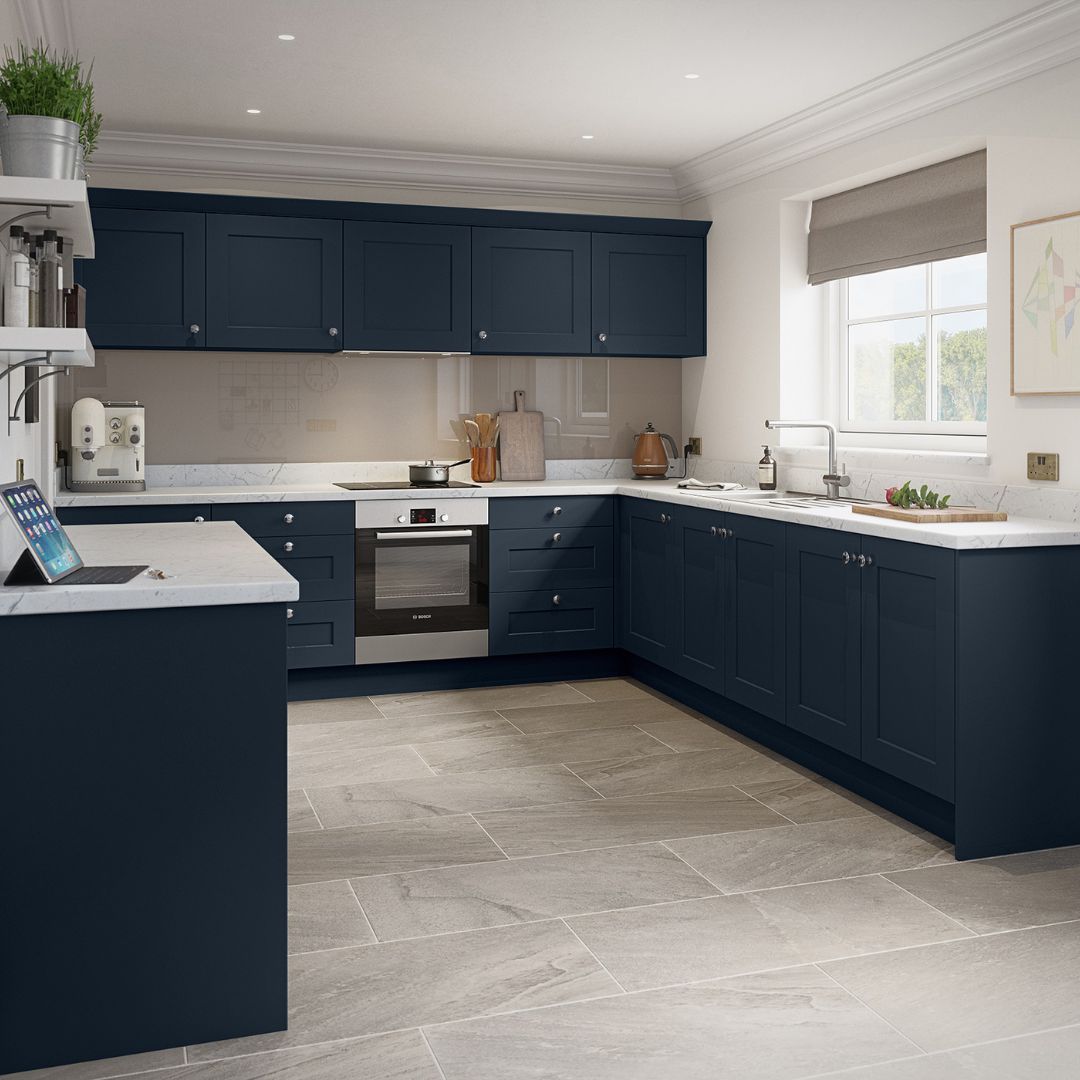
Depending on the materials, size, and features you choose, a kitchen island can be a significant investment. Often they’ll need electric and plumbing so they definitely add an extra layer of cost.
Maintenance
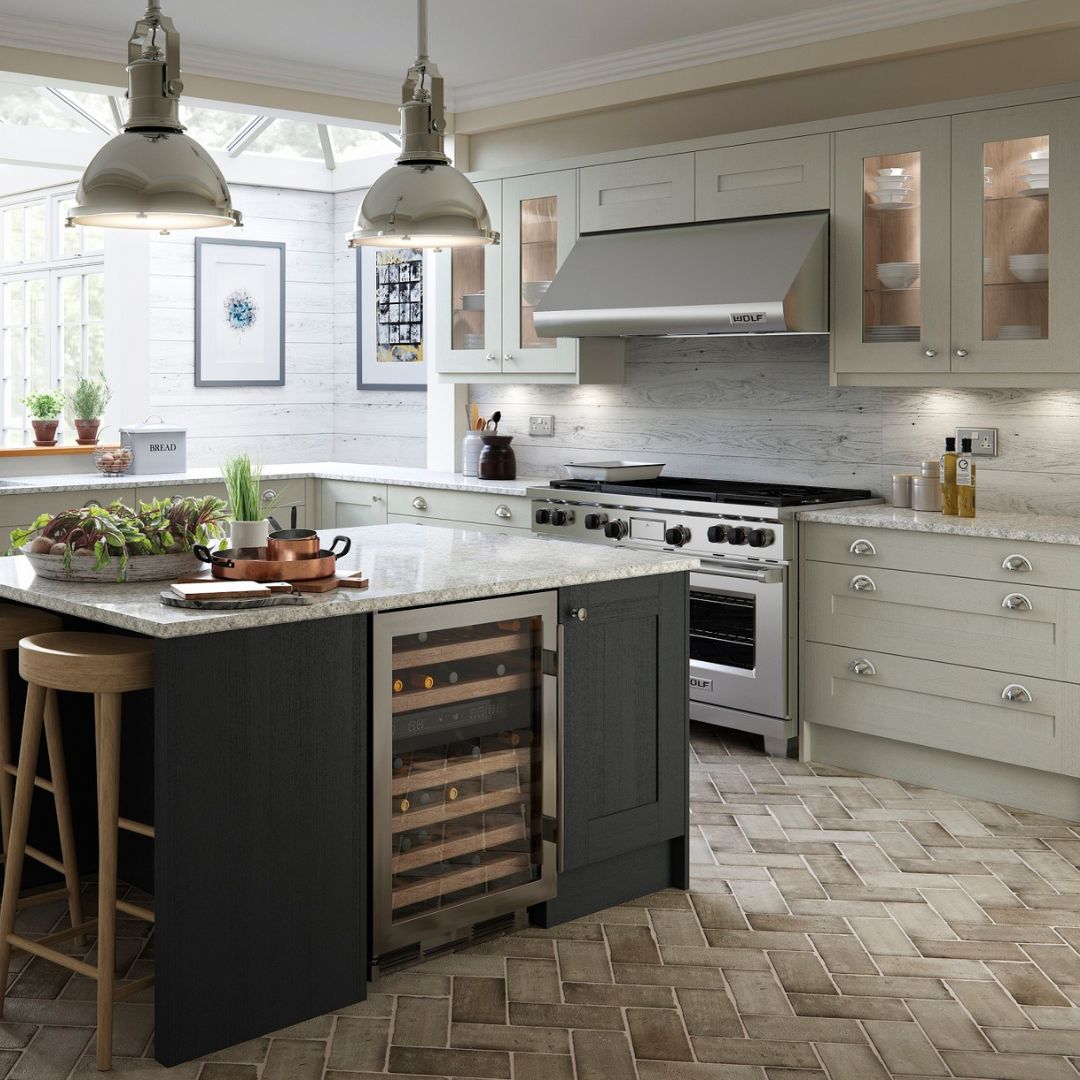
A kitchen island means more surface area to clean and maintain. Additionally, if you choose a material like granite or timber for your island’s countertop, you’ll need to spend time looking after it.
Limited flexibility
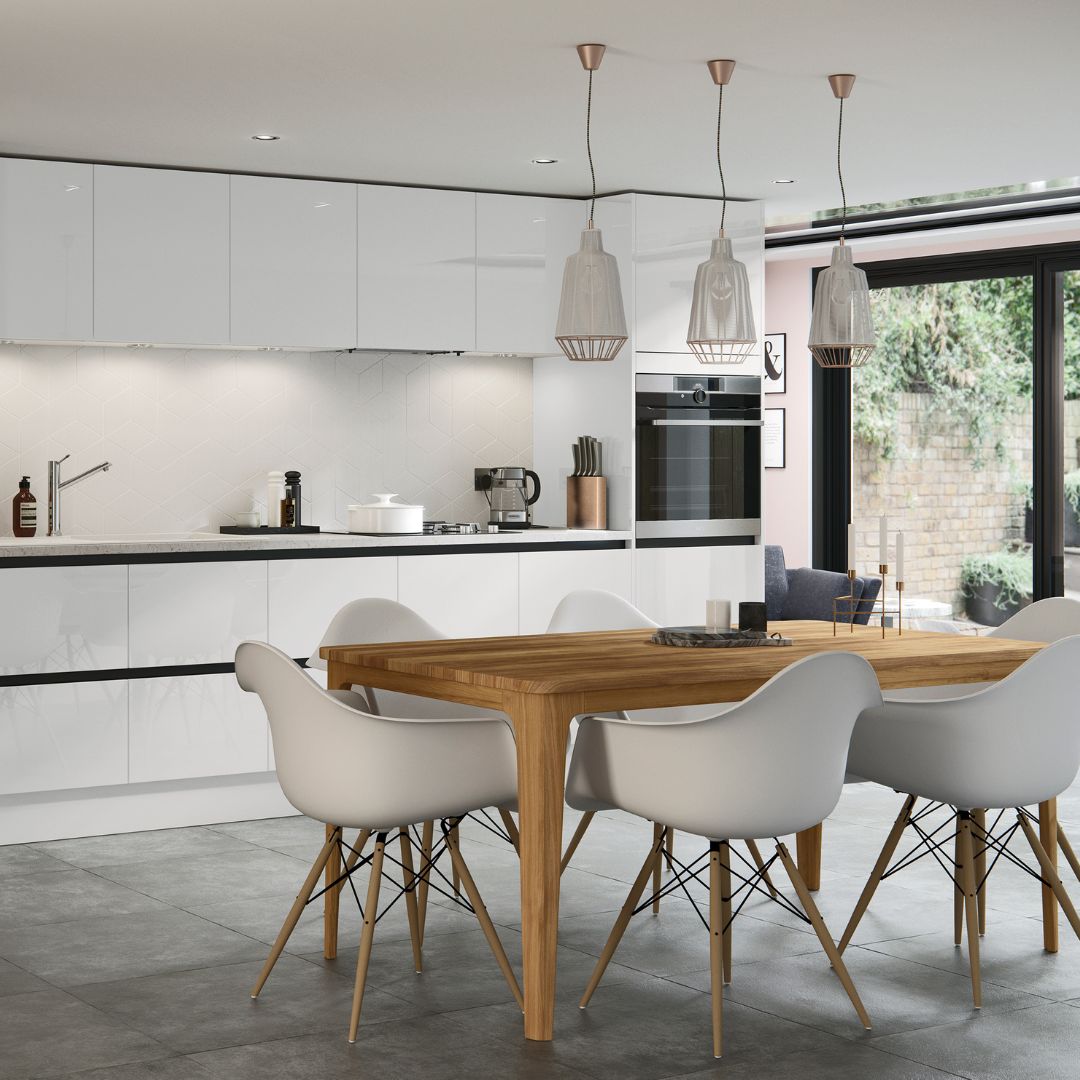
Unlike freestanding cabinets or a dining table, a built-in kitchen island is a more permanent fixture in your home. This limits your ability to reconfigure your kitchen layout or easily change the look of your space in the future.
Conclusion
So to conclude; whether a kitchen island is right for you will ultimately depend on your space, budget and how you intend to use it.